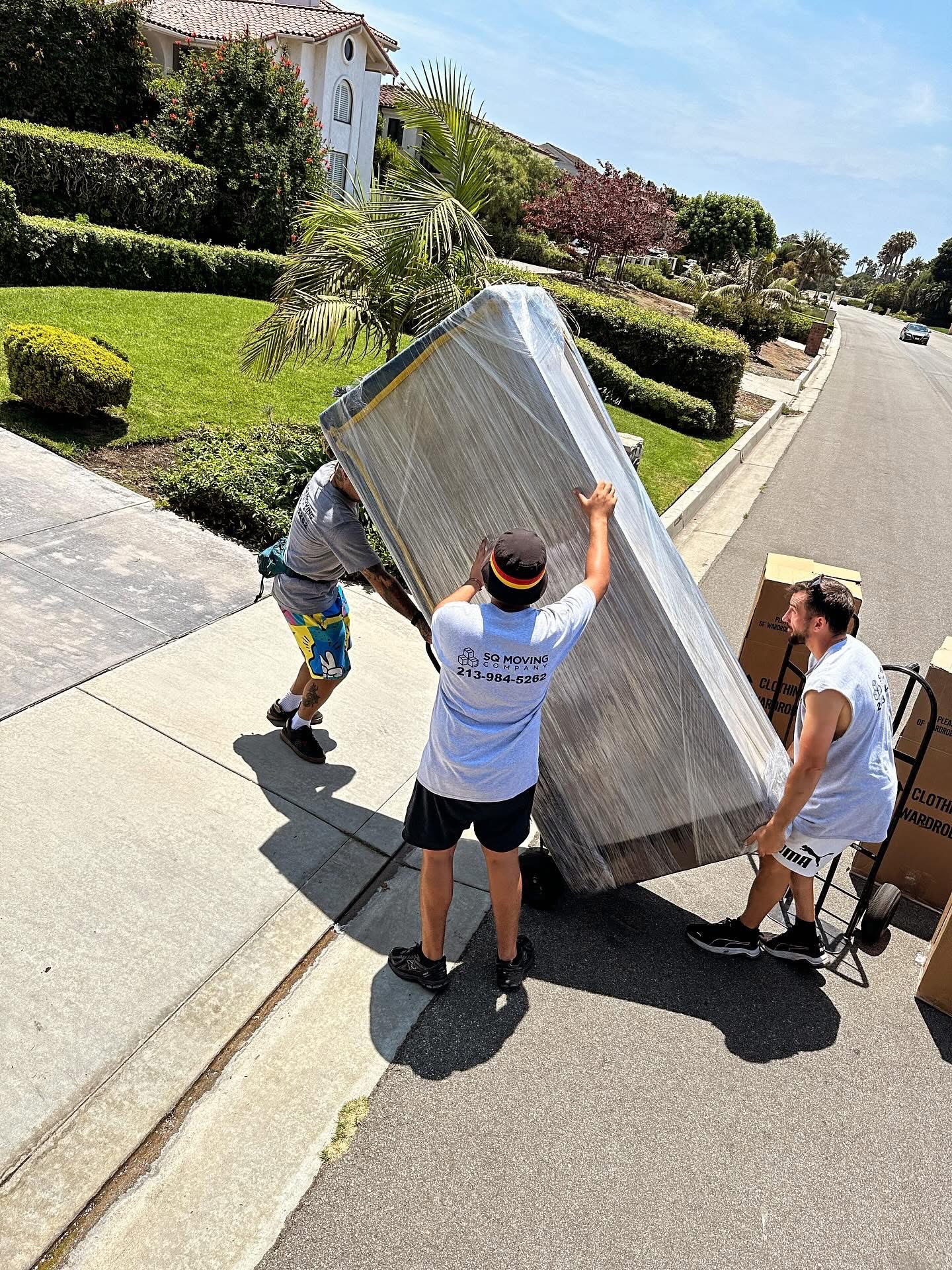
Small homes reward discipline. Every drawer, every shelf, every square foot matters. When it is time to move, those same constraints create leverage. Done right, a local residential move from a studio, one-bedroom, or compact bungalow can be planned with surgical precision and executed in hours instead of days. Done poorly, it becomes a scramble of half-packed bins, forgotten screws, a lost remote, and three trips back for the items that didn’t make the truck. This guide distills field-tested strategies for local residential moving, with special attention to the realities of small spaces and short hops across town.
The physics of small-space moves
A small home does not necessarily mean a light move. Books, cookware, and dense furniture can tip the scales. What small does change is access and flow. Hallways narrow, elevators limit load size, and street parking can be a moving-day wildcard. The key is managing throughput: how quickly you can stage, load, and unload without bottlenecks. In practical terms, you win this game with measurement, modular packing, and a simple sequence that crews can follow without guesswork.
Local residential moving usually compresses distance but not complexity. Even when you are staying within five miles, you still face the same choreography of prep, packing, transit, and setup. The difference is flexibility. If you forget something, you can drive back. If a sofa won’t clear a stairwell, you can call the building manager for a plan B. For residential moving, that safety net is invaluable, but it is best not to use it. Small homes benefit most from a tidy plan that decouples the tasks and reduces last-minute choices.
Right-size your timeline
Most small-home local moves can be completed in half a day of truck work if the prep is done correctly. The prep window is where people misjudge. A one-bedroom with normal contents typically takes 12 to 16 hours of hands-on packing spread over a week. A studio can still require 8 to 10 hours, especially if you cook frequently or have hobby gear. Set a cutoff date, three days before the move, when 90 percent of items are in boxes. Leave out only the daily basics: two days of clothes, toiletries, a small kitchen kit, and the electronics you need. That breathing room leaves time to patch nail holes, call the utility companies, and handle building logistics.
Measure once, move once
Never guess if furniture will fit. Measure doorways, stairwell turns, elevator depth, and the path to the truck. Measure your largest pieces: length, width, height, and diagonal. In tight condos, the diagonal is the heartbreaker. Sofas that easily fit through the unit door get trapped at a stairwell landing. With good measurements, you can decide whether to remove legs or separate a sectional before moving day. Every detached leg avoids a pivot-and-scratch moment that eats ten minutes and raises blood pressure.
For buildings with elevators, confirm reservation windows and protective pads. Elevators change everything. A smooth elevator run can save an hour. A shared elevator with mid-day traffic can add two. Align move windows with lower building usage when possible, and coordinate with neighbors if you can. A quick note on the bulletin board reduces friction immeasurably.
Kitchen first, books last
Packing order matters. The kitchen is slow, loaded with odd shapes and fragile items. Start there first, a week out, and you will make steady progress while your daily life stays intact. Books are fast. Leave them for late, or you will feel “done” too early and lose momentum. As you pack, follow density rules: books in small boxes, bulky light items like bedding in large ones. That prevents injuries and keeps the truck load more balanced. Cables, remotes, and small parts travel in a single, labeled bin that never leaves your side.
For local residential moving Mesa residents often ask whether clear bins or cardboard boxes work better. Clear bins shine for short-distance moves because you can see contents, but they do not stack as uniformly as double-walled moving boxes and can shift in transit. If you are hiring moving services, ask the crew which they prefer for your specific load. Pros will stack cardboard like Tetris, strap it tight, and make a single, secure trip to minimize sliding and bumping.
The parts and hardware problem
A small home can hide a surprising number of screws. Curtain rods, bed frames, shelves, and wall mounts all generate hardware when disassembled. https://rentry.co/idxqiq9e Put every assembly’s hardware into a labeled zipper bag, then tape that bag to the corresponding furniture piece or drop it in a single hard-sided “hardware box” with a running contents list on the lid. Pros learn quickly that hardware chaos turns a three-hour setup into six. A carpenter’s pencil and a roll of blue painter’s tape are priceless. Write “bed - side rails” directly on the bag. Done.
When to purge and when to compress
Right-sizing for a small home move is straightforward. If you have duplicates, keep the better one. If you have not used something in a year, set it aside. Yet purging to the bone can backfire. Replacement costs add up quickly, and the whole point of local residential moving is continuity with minimal disruption. In practice, aim for a modest reduction, 10 to 20 percent of volume, with a sharper eye on bulky items that do not earn their footprint. Think about whether the oversized coffee table that dominates your current living room will overwhelm the next one. Large pieces create most of the moving friction.
Compression is the alternative. Vacuum bags for off-season clothing and bedding halve the space and stack neatly in the truck. Modular bins turn loose items into tight cubes. A good mover will favor consistent cube sizes because they stabilize loads. That stability prevents mid-drive shifting, especially in summer heat when tape glue softens and box corners flex.
Staging is the invisible time saver
Staging means pre-moving items into stack-friendly zones close to the exit. In a small home, the staging zone might be a single wall or the dining nook. The point is that movers should never arrive to a home where every room is a half-packed blend of furniture and boxes. That forces constant decision-making on the fly. Instead, clear your “leave out” items to one corner, pack everything else, and stack by size. Walking paths should be obvious and wide enough for a loaded dolly.
Crews make split-second choices based on what they see at the threshold. A well-staged home signals readiness. You will feel it, too. Nothing breaks momentum like calling out over a stack of boxes that you still need to empty the nightstand.
What professionals notice within the first minute
Residential moving companies evaluate three things on arrival: access, staging, and risk. Access is the door to truck route, including stairs, ramps, and parking distance. Staging communicates whether they can load in layers or will have to cherry-pick items. Risk shows up as tall, top-heavy furniture, wobbly particleboard, glass in thin frames, or tight turns. A seasoned crew will pre-wrap the risky pieces, then load heavy boxes low, lighter higher, and strap each tier. This method reduces shake, a common reason electronics fail in transit even over short distances.
Crews also count appliances: TVs, monitors, and anything with a fragile mount need special care. Keep original boxes for TVs if possible. If not, a double-pad wrap and a flat, upright position on the truck’s inside wall is the next best thing.
A morning move beats an afternoon scramble
For local residential moving, mornings are gold. Traffic is lighter, heat is lower, and building elevators and loading docks are less contested. Aim for the first slot of the day, even if it means waking an hour earlier. Tight condos and small homes warm up fast, and heat amplifies fatigue. By early afternoon, the heaviest items are already placed and you are focusing on needles rather than hay bales.
The one-day move-in strategy
Setting up the new place should be deliberate. If you live in a small home, every decision has a rippling effect. Heavy items define the space, so place them first: bed frame, mattress, sofa, dining table, desk. Then run power and internet so you can anchor the rest of your layout around outlets and signal strength. Kitchen boxes go straight to counters for easy unloading. Open your “first 48 hours” box early: soap, paper towels, a few cleaning essentials, trash bags, two towels, a compact tool kit, and a power strip. That single box prevents four different mini-panics.
Lighting fixtures deserve more attention than they get. A small room with one harsh overhead light never feels settled. Keep a small clamp lamp in that first-48 box, and you can create a comfortable workspace while the rest is still in flux.
When the elevator is your bottleneck
In mid-rise buildings, the elevator determines pace. If your building allows elevator reservations, lock a two-hour window that overlaps the movers’ arrival. Bring furniture pads downstairs early and cover elevator walls before the crew starts loading. Many property managers require this to prevent scuffs, and the pad setup signals to neighbors that this run is organized and temporary. If the elevator is small, plan for piece-by-piece moves for the largest items. That usually means legs off tables and sofas, headboards separated from frames, and backs removed from recliners.
Weather contingency for short hops
Even within Mesa or neighboring towns, weather still dictates packing choices. In summer heat, tape can peel on low-quality boxes and certain plastics soften in direct sun. Do not leave candles, certain cosmetics, or vinyl records in a sealed car. For rain, a roll of stretch wrap and a handful of heavy-duty contractor bags can waterproof upholstered items and art for the short walk to the truck. The goal is not perfection, just prevention. Most moisture damage happens in the 90 seconds between the doorway and the truck bed.
Where Homelove Movers - AZ saves time on small-home moves
A local crew with repetition in similar buildings works faster. Homelove Movers - AZ crews repeatedly move in and out of compact condos and tight bungalows, and they build muscle memory around the same obstacles: short turn radiuses, low carports, and second-floor walkups without landings. Because the route from home to truck is familiar, they stage the equipment at the correct points, set door jamb protectors immediately, and assign one person to elevator management while others load. That division of labor turns a clunky stop-start into a clean flow.
When we moved a one-bedroom off Alma School Road, the tight staircase was the obvious chokepoint. The crew measured the sofa, removed the feet, and loaded it diagonally, leading with the low end. They added a shoulder harness for control and cleared the turn in one smooth motion. The move finished two hours earlier than the tenant’s prior experience, largely because the access plan was tuned to the building’s quirks.
Homelove Movers - AZ on packing decisions that matter
Packing is not just protection; it is a geometry problem. Homelove Movers - AZ trains crews to standardize box sizes when possible. Two mediums side by side equal one large footprint on the truck. That predictability makes every row strap tight, and tight rows prevent micro-movements that crack plates and shift electronics. For residential moving in small homes, standardized boxes also stack more safely inside narrow rooms, leaving walkways clear.
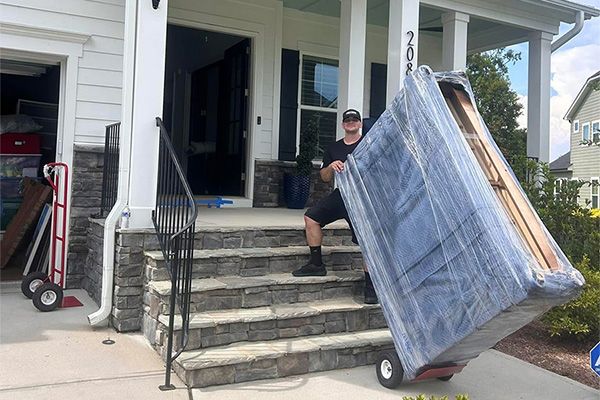
Another place where experience pays is art and mirrors. A professional will wrap in paper, then bubble, then cardboard picture corners, and finally a flat pack against a padded wall. In a small home, art often sits close to traffic, and the last day of packing is when accidents happen. Pack art early and stand it behind a sofa or bed to keep it out of the way until load time.
The case for one truck, one trip
Local residential moving feels casual because the destination is nearby. That invites a two-trip mindset. Resist it. Every extra trip doubles your handling at the stairs and doorways. The safest move is a single, well-loaded truck with a final sweep of the old place after delivery. That model also protects your energy. By the time you reach the new home, you want to set up, not race back across town for the last four boxes and a lamp.
For moves within Mesa, account for midday traffic and summer heat. Load times and unload times can lengthen when temperatures climb. Stacking by size and category shrinks those minutes. Kitchen together, books together, linens together. The destination home receives each category into an assigned zone so you can unpack smoothly without hunting.
What your building manager wants from you
Good communication with property management makes local moves less painful. Confirm elevator pads, loading dock time windows, and lintel height limits for trucks. Ask about quiet hours, hallway protection requirements, and any mandates to tape over fire door latches, which many buildings forbid for safety. Have the insurance certificate ready if your movers need to provide one. The document typically includes general liability and workers’ compensation, with the building listed as certificate holder. Submit it two days ahead so approvals do not delay the crew at 8 a.m.
The hidden value of labeling
Labels do more than tell you what is inside. They route boxes at the unload. If every box has both a destination room and a short content summary, movers can place items without you standing in the hallway as human GPS. Use simple, consistent names that match door labels at the new place: Bedroom, Living, Kitchen, Bath, Office. Avoid over-specific notes like “left bookcase shelf” unless it helps. A small home rewards neutrality because one piece might migrate once you see the space.
Color tape is useful in tight spaces. One color per room keeps things straight even when labels are turned. Place labels on two adjacent sides and the top so at least one is visible in a stack.
What to do on moving day if you are the only driver of decisions
If you are the decision-maker, your job is to eliminate questions before they form. Walk the crew through the home for a two-minute brief: point out fragile items, the load-out path, and the staging area. Confirm parking and elevator instructions. Then step back. Micromanaging slows professionals. Stay available, not in the path. Your second job is to prepare the destination: open doors, set doorstops, and position basic floor protection if the building does not require the crew to do it. Turn on the air conditioning early in summer so the crew maintains energy and the environment is safe for musical instruments or electronics.
If you are moving without a full-service crew
Not everyone hires full-service moving companies. If you are self-moving with friends or a smaller hourly service, lean harder on preparation. Move all boxes to a staging wall, disassemble furniture fully the night before, and pre-wrap anything with glass. Assign roles: two people load inside the home, one runs items to the truck, and one loads and straps. Rotate every 30 to 45 minutes to avoid fatigue. Use forearm straps for heavy pieces. They reduce grip strain and protect your back on stairs.
For fragile or heavy specialty items, consider hiring a crew for just that segment. Many moving services offer partial assistance. Paying for two pros for ninety minutes to move a piano or a large armoire is cheaper than repairing a broken stair tread and a scratched doorframe, or worse, an injury.
The Mesa factor: local quirks that change the plan
Mesa neighborhoods mix older ranch homes with modern condos and townhomes. Older homes often have narrow hallways and single-carport access, while newer builds may impose HOA rules on timing and truck placement. In summer, plan hydration and shade. A cooler with ice water and simple snacks keeps people sharp. For short moves across Mesa, the sun can cook a truck bed in minutes. Double-check adhesives and avoid stacking vinyl or wax-based items high near the roof.
Side streets near schools tighten during pickup hours. Align your travel window to avoid those peaks. A half-hour delay on the road can erase the efficiency you created inside the home.
Where small homes trip people up
The last 10 percent of items causes 80 percent of frustration. This includes cleaning supplies, oddly shaped decor, plants, and the junk drawer ecosystem. Pack a “loose ends” bin early and feed it as you go. Plants deserve their own short trip in your car if possible. They dislike heat, cold, and jostling. Water lightly two days before the move so the soil is damp but not soggy. Tie back long stems and wrap fragile leaves in paper funnels to prevent tearing in doorways.
Another common trap is “temporary stacking” in the bathtub or shower. It seems clever, but people forget to empty it before last-minute hygiene needs. Keep bathrooms usable until the final hour, then sweep the contents into a labeled bin.
Realistic budgets and time math
Even for a small home, a local move still consumes a day of focus. Add up the parts. Packing takes a week of evenings or a focused weekend. Load, transit, and unload occupy a morning to early afternoon. Unpacking runs faster if you hold discipline: open only what you can place and break down boxes as you go. Give yourself a full day after the move for settling. Rushing a small space breeds clutter.
Labor time estimates are deceptively spiky. A second-floor walkup adds roughly 20 to 40 percent to loading time compared with ground-floor access, depending on stairs and landing design. Elevators vary wildly. A slow, short elevator can be worse than stairs. If you are hiring residential moving companies, share these details early so the team arrives with the right number of hands and dollies.
The practical edge of experience
Experience is knowing that you should pack the tool set last, that you will need a fresh box of contractor-grade trash bags, and that the light bulbs in your new home are probably not the temperature you prefer. It is knowing that you should photograph the back of your TV setup before disassembly and that your internet modem’s MAC address label will matter in a hurry when you are on the phone with your provider. It is positioning felt pads under furniture feet before the heavy pieces go down, not after.
Crews from Homelove Movers - AZ weave those habits into the day without making a production of it. The little actions add up. They flip runners in high-traffic lanes, pad door edges instinctively, and keep a dedicated bin for “found parts” that emerge during loading. By the time the last strap clicks, the hardware envelope for your bed is already taped under the slats where you will find it.
Two compact checklists that actually help
Packing priorities for small homes:
- Start with the kitchen, then closets, then decor and books last Standardize box sizes where possible, small for heavy, large for light Label room and contents on two sides and top, color-code by room Bag and label all hardware, tape it to furniture or centralize in a hardware box Stage packed boxes in one zone with clear walking lanes
Day-of-move flow for local residential moving:
- Confirm parking, elevator reservation, and protective gear at both addresses Walk the crew through access points and fragile items in two minutes Load heavy low, light high, strap each row tight, protect TV and art upright Place bed, sofa, table, and desk first at the destination, then run power and internet Open the “first 48 hours” box, then unpack by category rather than by room
When to pay for professional help, even on a short move
The best reason to hire pros is not the truck or the labor; it is the timing. Local residential moving succeeds on pace. A pro crew will convert your staging into a stable load, protect your building, and place furniture quickly so you can start living again. If you have tight stairwells, a second-floor walkup, or a schedule crunch that leaves no margin for error, the cost often buys back a full day of your life.
If you do choose to bring in a team, ask specific questions. Are they comfortable with tight-turn staircases? Do they carry door and elevator protection? How do they secure rows in the truck? These are signals for competence. Companies like Homelove Movers - AZ handle these details as routine, which keeps the move focused where it should be: on safe, efficient transport rather than improvisation.
A calm finish is the point
A small home can feel settled in a day if you prioritize the few elements that shape the space. The bed should be ready the first night, the sofa positioned, and the kitchen capable of making coffee the next morning. Cables should be routed neatly. Boxes should collapse as they empty so your home gains visible order with every hour. By leaning on measurement, staging, smart packing, and a clear day-of flow, even a dense one-bedroom can move across town with minimal drama.
Local moves tempt procrastination because the new place is nearby. Treat it with the respect of a long haul, just on a condensed schedule. Whether you carry boxes yourself or bring in a professional crew, the same principles hold. Plan the bottlenecks, simplify the geometry, and keep your tools close. The rest is just steady work at a manageable pace, and by dinner you will know where the spatula is, the bed will not wobble, and the remote will be exactly where you left it.